


This article was written by Clare, Founder of Auburn Consultancy, who works with organisations of all sizes to strengthen resilience, leadership capability and workplace wellbeing.
Resourceful & Resilient Into Winter & Beyond
The Winter months can be a season of contrasts, with cosy nights and comforting food, the festivities and time spent with family and friends. Those moments and gatherings can be genuinely nourishing, but the shorter days and reduced sunlight can also take a real toll on energy and mood.
Having less light also impacts us, with less sunlight and availability to build our happy hormone serotonin. In turn our bodies produce more melatonin when it's dark, leaving us feeling sluggish, which combined with the natural tendency to move less when it's cold and dark, can create a perfect storm of feeling low.
The holiday season is joyful, but for some it can create a source of stress and take alot of energy, whether it's social obligations, family dynamics, financial strain or just the weight of expectations around how we're "supposed" to feel during this time.
So how might that show up in body and mind?
Diminished resilience during winter can show up across multiple areas of life, often in subtle ways at first.
Physical - Persistent tiredness, feeling heavy or sluggish even with sleep, which may be disrupted with difficulty waking or sleeping too much. Increased susceptibility to colds and minor illness. Changes in appetite such as increased cravings for carbs and comfort foods, and physical aches.
Emotional - Feeling of being low, flat or numb. Increased irritability, with small frustrations feeling bigger and possibly the feeling of heightened anxiety or worry. Feeling tearful or emotional around things that wouldn't normally affect you. Reduced ability to feel joy or engaged in activities you usually enjoy, with everything feeling effortful.
Cognition - Brain fog or difficulty concentrating, memory lapses and trouble making decisions about small things. Reduced creativity or problem-solving ability, having thoughts or conversations with mental tasks taking longer.
Behaviours - Withdrawing from social contact and cancelling plans last minute to spend time alone. Neglecting self-care routines like exercise or healthier eating and an increased reliance on quick fix boosters such as alcohol, comfort food and excessive digital time. Procrastinating on manageable tasks and letting them pile up, leading to further overwhelm.
Relationships - Less patience with family or friends, reduced emotional availability, wanting to isolate and finding social interaction exhausting rather than energizing, whilst simultaneously feeling lonely and isolated.
So, what can cause these symptoms, feelings and behaviours?
Under sustained pressure, our stress reaction has us on high alert with excess cortisol and adrenaline in our system. This leads us to overreact to minor stressors and feel overwhelmed by normal responsibilities. It creates a reduced capacity to handle additional demands and longer recovery time from difficult situations, feeling unable to properly relax.
Everything feels harder, creating negative thought patterns that include catastrophising minor setbacks, difficulty seeing beyond the current moment or believing things will improve, a reduced sense of agency or control, questioning abilities and self-worth more than usual.
It creates a cyclical effect…
With no ‘buffer’ any additional demand (a sick child, car trouble, extra work) feels impossible to manage, as the reserves to help us cope with life's unpredictability are depleted.
The cumulative effect is often described with the following phrase; "just getting through”; going through motions, but with little left for joy, growth, or meaningful engagement.
Sound like something you’ve experienced, or you are seeing in colleagues?
It’s important to recognise that diminished resilience exists on a spectrum, because we are all individuals. For some people it's mild, they can be functional but running on empty for a time. For others it can move further into seasonal affective disorder (SAD) or depression, which needs professional support.
Not everyone experiences all these signs and symptoms. The key indicator is change from the normal baseline and the sense that the usual coping mechanisms aren't working well.
Raising our awareness ensures we recognise sooner the resources we need to keep us feeling positive, connected and motivated to make the most of this restful time of year, in preparation for the busier months ahead.
Here are some simple but impactful approaches that can help maintain and build your resilience during winter:
Structure and routine Stability is important, especially when motivation is low. That doesn’t mean you give yourself a regimented system and loads to do! Simple anchors like a regular sleep time, a healthy breakfast you enjoy or an activity you look forward to, create a rhythm without rigidity, preventing isolation and dropping anchor on the sofa.
Light exposure is probably the most impactful. Getting outside during daylight hours, with morning light especially valuable for boosting serotonin and regulating your circadian rhythm. If that's difficult, a light therapy lamp (10,000 lux) used for 20-30 minutes in the morning can make a real difference for many people.
Movement matters: It’s key to do what is sustainable, rather than ambitious. A short daily walk, of 10-15 minutes, does a lot more for mood and energy than sporadic intense exercise. Indoor options like stretching, bitesize yoga or even just dancing in your kitchen, can help with raising dopamine and endorphins.
Social connection: Maintaining some regular contact with people who energise you can really help. This might mean saying no to draining obligations… which can feel difficult but this will help you to preserve energy for connections that actually nourish you.
Most Importantly…
Go Easy On You - Recognising that you might have less energy is itself protective. Planning lighter weeks, building in recovery time after busy periods and being honest about how you feel and what you can really manage, prevents the depletion that digs the hole that comes from pushing through constantly.
WORKPLACES
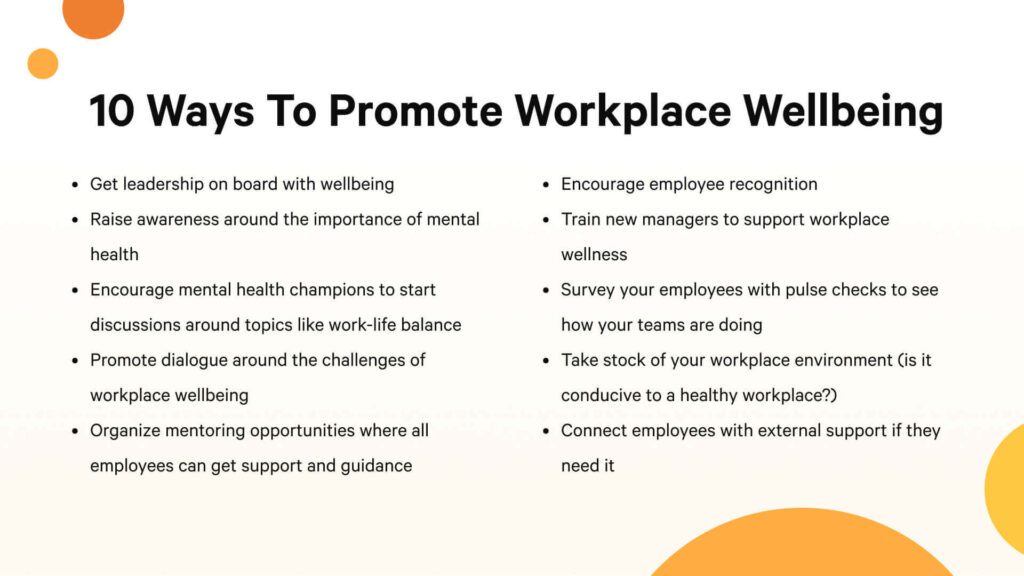
Workplaces actually have significant power to support resilience during winter months, to keep people feeling and working well, together. Here are some practical ways:
Light and environment - Ensuring workspaces have access to natural light where possible, or being flexible about where people work within a building so they can position themselves for a time near windows during darker months. Even small things like not scheduling back-to-back meetings in windowless rooms all day can help.
Flexible scheduling: Allowing people to start later when mornings are darkest, or finish earlier to catch remaining daylight. Protecting lunch breaks so people can go outside to get light and fresh air, to help people work with their energy patterns and daylight availability.
Movement integration - Normalise people moving for short breaks, using standing desks and having walking meetings (when weather permits). Providing or signposting to accessible movement, such as yoga, with provision to get changed and to acceptable to step away from your desk regularly.
Workload and expectations - Being realistic about people capacity during winter months, especially around the holidays. Plan for lighter project deadlines and reduce pressure where possible in late December and build in recovery time after intense periods, to allow people time to rest and re-build energy and enthusiasm.
Social connection - Creating opportunities for informal connection that aren't obligatory and have options that don’t involve alcohol or late evenings. Lunchtime gatherings, team walks and small opportunities to interact help to build connection, without pressure.
Mental health support - Openly acknowledging that winter affects people differently, providing access to EAP services and training for managers to recognise signs someone might be struggling are all part of a great plan. Creating a culture where it's acceptable to talk about seasonal difficulties without judgment.
How Crystal HR & Payroll supports this in practice
Through our HR support services, we help employers translate wellbeing awareness into practical policies, from flexible working arrangements and manager guidance to absence management and employee support conversations.
MANAGERS

Key Aspects For Managers In busy workplaces, especially in the festive period, it can be hard to spot when people are struggling. Here are some key signs that Managers might notice:
Changes in energy and engagement - Someone who's usually proactive, becoming more passive or withdrawn, needing more prompting to complete tasks, or seeming to operate on autopilot rather than bringing their usual initiative. A general flatness or lack of enthusiasm that's out of character.
Communication Changes - Responding more slowly to messages, being less present in meetings, withdrawing from casual workplace conversation or conversely becoming more irritable or short in interactions.
Work Patterns - Increased lateness (especially in darker mornings), more absences, working through breaks or working excessive hours as a coping mechanism. Difficulty making decisions or increased procrastination on tasks they'd normally handle easily.
Physical Signs - Looking more tired, comments about poor sleep, increased complaints about feeling unwell or run down, changes in appearance suggesting less capacity for self-care. More frequent headaches or physical tension.
Social Withdrawal - Declining invitations they'd usually accept, eating lunch alone when they'd normally join others, leaving immediately after work when they'd previously linger to chat, skipping team activities without explanation.
Missed Details - Uncharacteristic errors, forgetting meetings or deadlines or needing things explained multiple times. This often reflects cognitive fog or overwhelm rather than carelessness.
Emotional shifts - Seeming more anxious, tearful, defensive, or flat. Expressing unusually negative thoughts about their work or capabilities. Making self-deprecating comments more frequently.
A COACHING APPROACH FOR MANAGERS

The crucial thing is noticing change from someone's baseline rather than comparing them to others. What matters is the shift in their typical patterns.
The goal is creating an environment where people feel safe being honest about struggles, not monitoring everyone. When it's normal to acknowledge that winter time can be harder, people are more likely to speak up themselves.
Taking a coaching approach when it comes to responding can be really impactful
Approach with curiosity, not judgment - Try saying "I've noticed you seem quieter lately, how are things going?" rather than "Your performance has dropped." as well to enable someone to reflect and not feel judged.
Make Space & Time: Make it clear you're asking because you care, not because they're in trouble. It’s also important to ask in a quiet space and not in front of the wider team.
Listen, Don’t Fix- Sometimes we just need acknowledgment that things are hard. Resist jumping straight to solutions or feeling you have to know the answer, but do offer reassurance.
Ask Questions - People often know what they need, such as adjusted deadlines, temporary schedule changes, or just knowing support is available. Give them permission to ask and discuss.
Signpost Resources - Know what support your workplace offers, such as an EAP, occupational health and flexible working options. Make these easy to access without stigma or confusing processes.
Follow up - Check in again rather than assuming one conversation solved everything. Having a review and light-touch support approach often works better in prevention rather than getting to the stage of major interventions.
The underlying principle is really about acknowledging reality rather than pretending everyone operates at the same level year-round. Organisations that build in seasonal awareness see better sustained performance and wellbeing.
Ultimately, navigating the winter months with resourcefulness and resilience is a shared responsibility.
It requires us as individuals to implement simple but impactful self-care strategies, while also calling on workplaces to create supportive environments with seasonal awareness.
By acknowledging the reality of seasonal fluctuations and adopting a proactive, compassionate approachable, both for ourselves and our team, we can ensure that the quieter, darker season is one of sustained well-being, recovery, and readiness for the busy year ahead.
Does your workplace currently support any of these, or are there particular barriers you see to implementing them?
Want to strengthen resilience in your workplace this winter?
Supporting wellbeing through the winter months doesn’t require grand initiatives, but it does require awareness, consistency and the right support.
If you’d like to explore how your organisation can better support employee resilience, manager capability and seasonal wellbeing:
- Auburn Consultancy can support learning, coaching and leadership development, he***@******************co.uk or 07920 400 988
- Crystal HR & Payroll can help embed this into practical HR processes and people policies
👉 Get in touch to start a conversation.